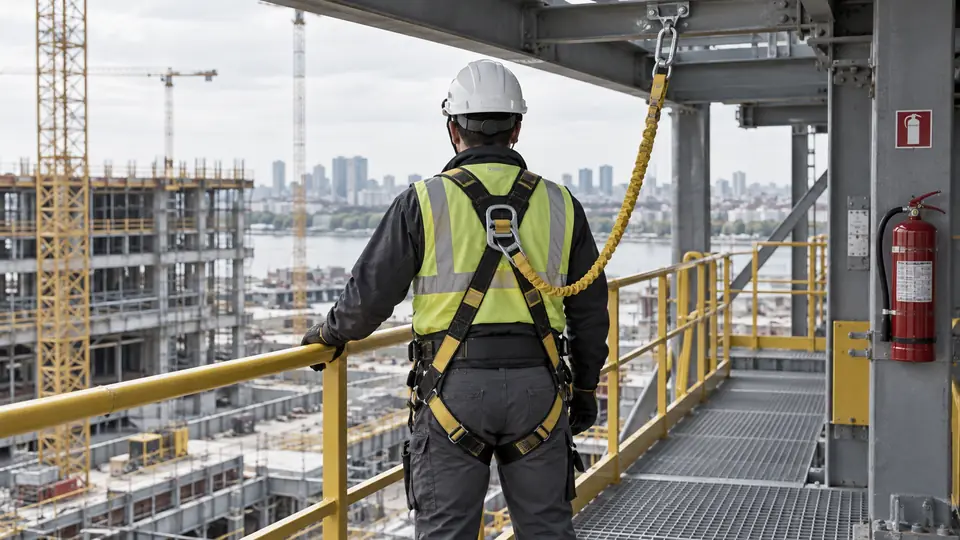


Occupational safety, sector by sector.
We work with construction companies, industry, logistics, offices, public institutions and international organisations. We know the specific risks and obligations of each sector.
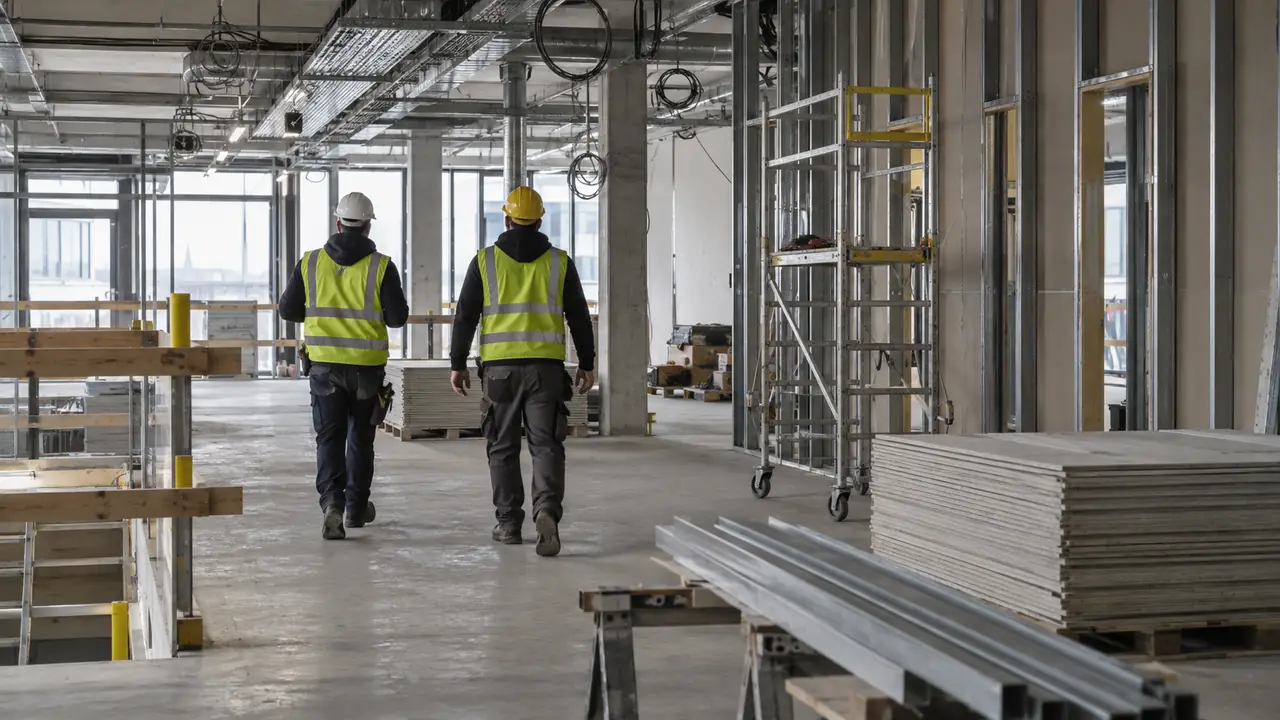
Construction
Construction is the sector where risk changes faster than anywhere else. We support investors and contractors with supervision, documentation and training that follow the project phases.
Talk to HSK about this sector Browse the free guide for this sectorTypical challenges
- Risks that change by phaseExcavation, scaffolding, concreting and erection each bring different risks.
- Many contractors on one siteSplit responsibilities, difficult coordination and differing standards.
- Work at heightThe main source of serious injuries in construction.
- Changing crewsInducting every new worker before they enter the site.
How HSK helps
Key risks
Checklist
- Site safety plan before start
- Induction for every worker
- Edge protection at open edges
- Scaffolds inspected and tagged
- Suitable PPE for every task
- Corrective-action register
Points we typically check in this sector. The complete list is defined by the risk assessment.
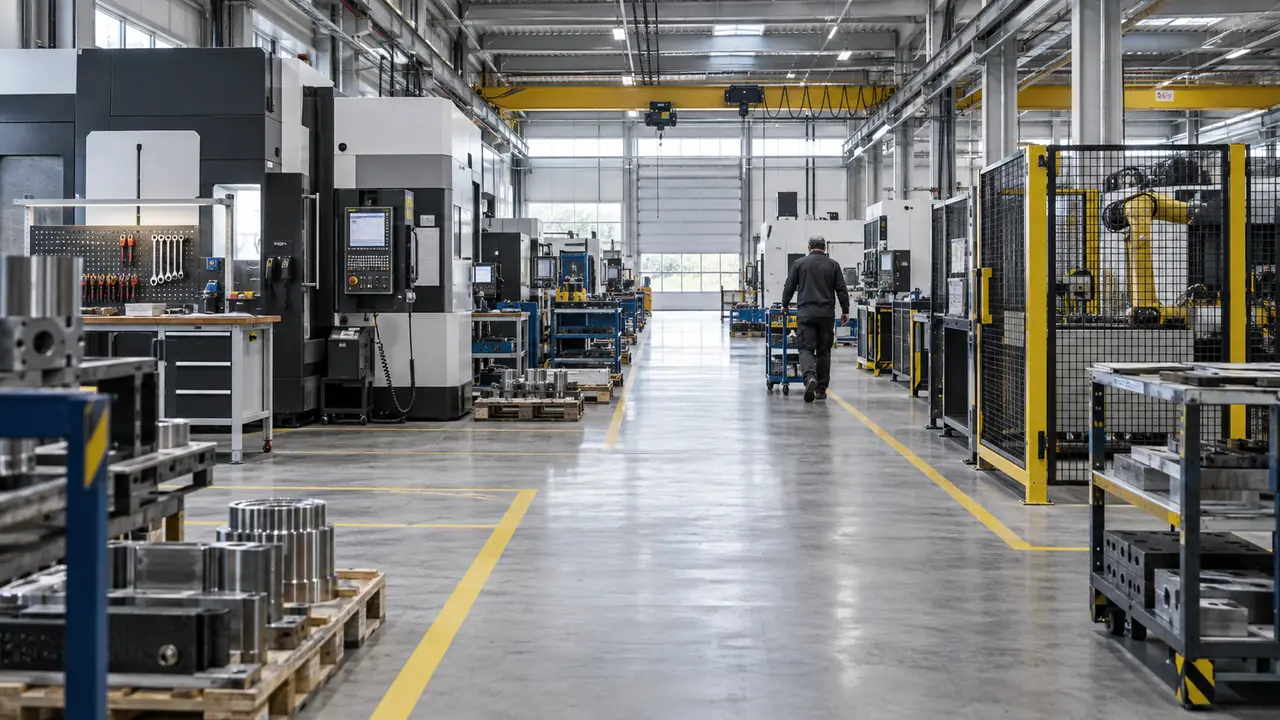
Manufacturing & industry
In manufacturing, risks come from machinery, energy, substances and the pace of work. We control them through inspections, measurements and procedures that employees follow.
Talk to HSK about this sector Browse the free guide for this sectorTypical challenges
- Machinery with moving partsGuards, interlocks and emergency stops that must work every time.
- Demanding working conditionsHeat, noise and insufficient ventilation in production halls.
- MaintenanceUnexpected start-up of machinery during repair or cleaning.
- Substances and wasteStorage, use and handling of hazardous materials.
How HSK helps
Key risks
Checklist
- Register of machinery and inspections
- Guards fitted and functional
- Lockout procedure during maintenance
- Noise and microclimate measurements
- Periodic earthing and RCD tests
- Training by workplace
Points we typically check in this sector. The complete list is defined by the risk assessment.
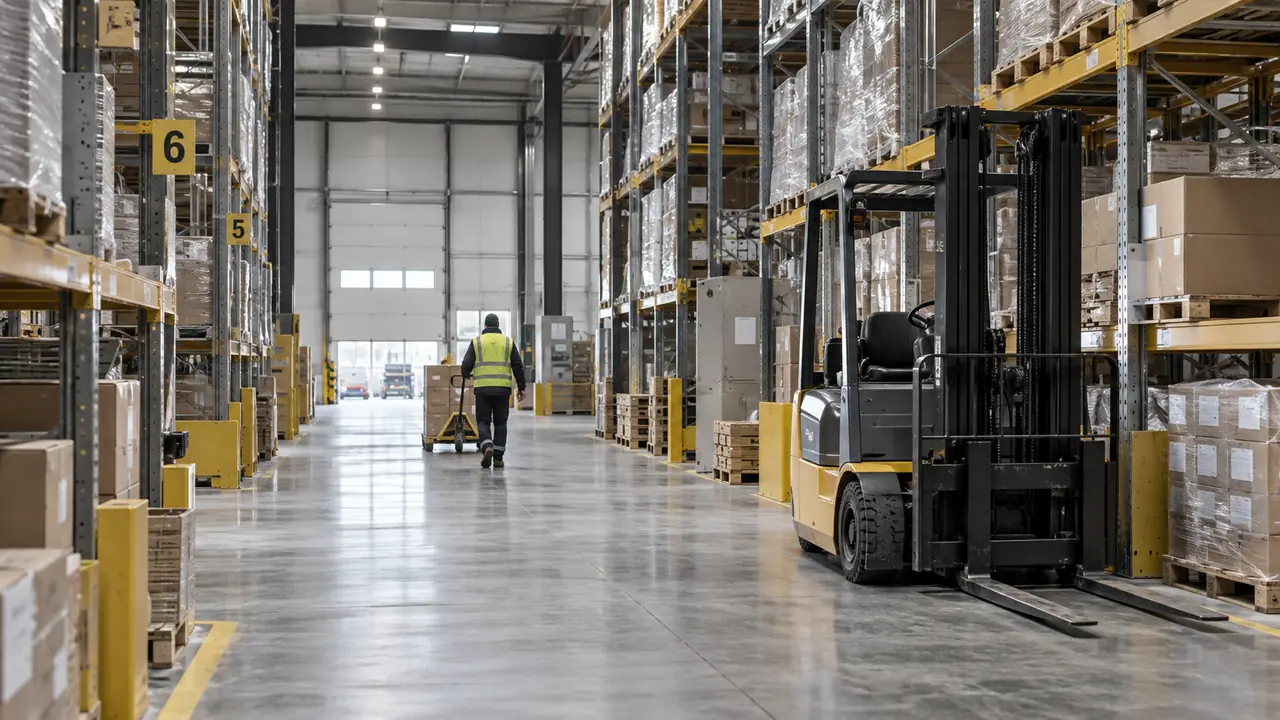
Logistics & warehousing
In a warehouse, people, forklifts and loads move through the same space. Safety depends on clearly separated zones, equipment in good condition and rules that are followed.
Talk to HSK about this sectorTypical challenges
- People and vehicles in one spaceSeparated routes, signage and traffic rules.
- Racking and loadsDamaged racking and unstable loads.
- Fire riskLarge quantities of combustible materials and long escape routes.
- Manual handlingRepetitive physical load and back injuries.
How HSK helps
Key risks
Checklist
- Marked routes for pedestrians and vehicles
- Racking inspected with rated loads displayed
- Trained forklift operators
- Clear escape routes
- Fire equipment checked
- Manual handling training
Points we typically check in this sector. The complete list is defined by the risk assessment.

Corporate workplaces
Offices have risks too - less visible, but real: ergonomics, microclimate, electrical installations, fire and evacuation. Legal obligations apply equally to every employer.
Talk to HSK about this sectorTypical challenges
- Invisible risksErgonomics, stress and microclimate act slowly but constantly.
- Loaded electrical installationsMany devices, extension leads and multi-socket adapters.
- EvacuationMulti-storey buildings, visitors and changing staff.
- Legal obligationsRisk assessment and training apply to offices as well.
How HSK helps
Key risks
Checklist
- Office risk assessment
- Microclimate measurements
- Earthing and RCD tests
- Evacuation plan and floor plans
- Extinguishers checked
- Employee training
Points we typically check in this sector. The complete list is defined by the risk assessment.

Public institutions
Public institutions carry a double responsibility: for their employees and for the citizens who visit them. We support them with assessments, emergency plans and documented training.
Talk to HSK about this sectorTypical challenges
- Buildings with many visitorsEvacuating people who do not know the building.
- Many units and buildingsThe same safety standard across different locations.
- Older buildingsInstallations and escape routes that do not match today’s use.
- TransparencyClear documentation for accountability.
How HSK helps
Key risks
Checklist
- Risk assessment for every building
- Evacuation plan with assembly points
- Periodic evacuation drills
- Fire equipment checked
- Periodic electrical tests
- Staff training
Points we typically check in this sector. The complete list is defined by the risk assessment.

NGOs & international organisations
International organisations work to clear internal standards and must also comply with local law. HSK connects both: Kosovo’s requirements with the expectations of donors and headquarters.
Talk to HSK about this sectorTypical challenges
- Two frameworks at onceInternal or donor policies and local legislation.
- Field projectsActivities across locations, often with local partners.
- Bilingual documentationReports that work for the local team and for headquarters.
- Changing staffQuick induction of new staff and consultants.
How HSK helps
Key risks
Checklist
- Internal policies aligned with local law
- Risk assessment for offices and field work
- English documentation where needed
- Evacuation and emergency plan
- Safety requirements for contractors
- Staff training
Points we typically check in this sector. The complete list is defined by the risk assessment.
Let’s discuss your workplace safety requirements.
Tell us briefly about your organisation and workplace. We will propose the first step.