Workplace risk assessment
We identify hazards before they become incidents. We analyse workplaces, equipment and processes, evaluate likelihood and severity, and document the measures required - with owners and deadlines.
What the service includes
Hazard identification
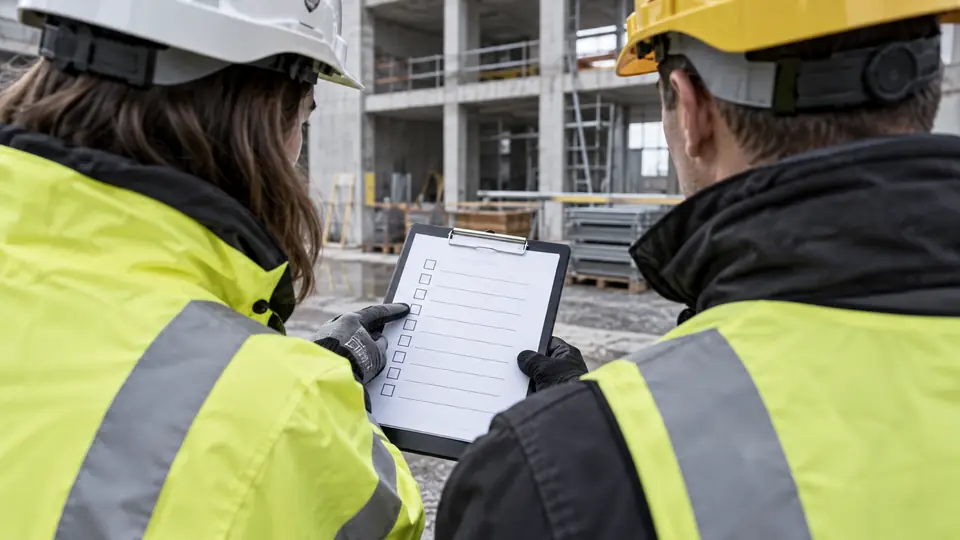
A structured visit to every workplace: equipment, substances, environment, organisation and how work is really done.
Likelihood and severity analysis
Each risk is evaluated with a consistent method, so priorities are clear and comparable.
Control measures
Measures following the hierarchy of controls - from elimination and substitution to engineering, organisational measures and PPE.
Action plan
Every measure with an owner, a deadline and a verification method, so implementation is tracked - not only documented.
Periodic review
Updates after changes in processes, equipment or organisation, and after incidents.
Clarity for management
Obligations and priorities explained plainly, without unnecessary formality.
Risk, evaluated on two axes.
Each risk is evaluated by likelihood and severity. The matrix makes priorities visible and shows the effect of measures: collective protection reduces the likelihood of a fall, not the severity of its consequences.
- Low
- Medium
- High
- Critical
ABefore controls: 16BAfter controls: 8
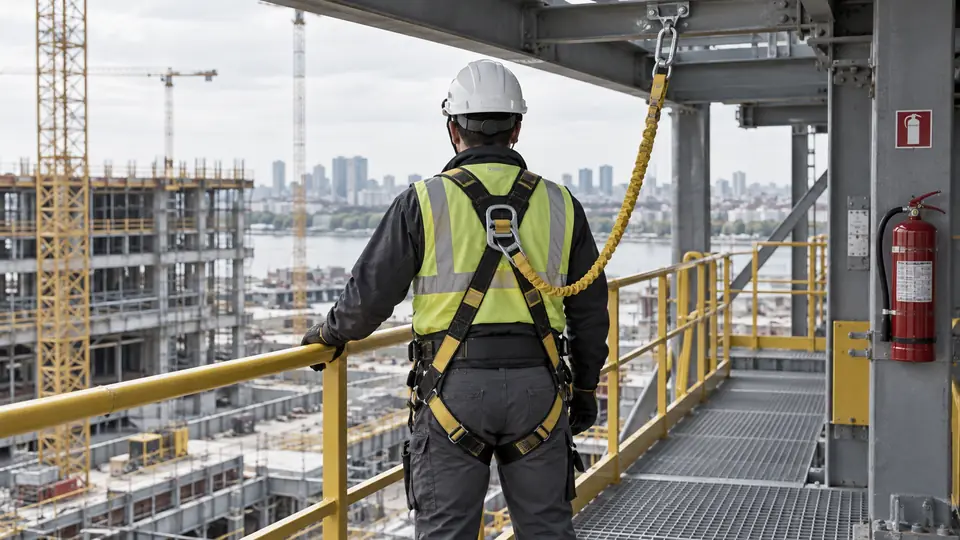
Example: work at height without edge protection. Collective measures reduce likelihood, not severity.
How we work
-
Preparation
Information on workplaces, equipment, previous incidents and existing documents.
-
Site visit
Observation of work in practice and conversations with employees and supervisors.
-
Evaluation
Analysis of each risk by likelihood and severity; setting priorities.
-
Documentation
Drafting the risk assessment document and the action plan.
-
Follow-up
Verifying implementation of measures and reviewing as needed.
Who needs it
- Manufacturing and industrial companies
- Construction companies and contractors
- Warehouses and logistics companies
- Offices and commercial businesses
- Public institutions and municipalities
- NGOs and international organisations
What you receive
- Risk assessment documentRisks for each workplace, evaluation and measures.
- Action planOwner, deadline and verification for every measure.
- Risk registerSummary overview for management.
- Training recommendationsTraining needs by workplace.
Frequently asked questions
Is a risk assessment a legal requirement?
Yes. Law No. 04/L-161 requires a detailed risk assessment for every workplace (Article 5) and a written risk assessment document with the necessary measures (Article 16). Breaches are fined from €500 to €25,000 (Article 25).
Does a small business need a risk assessment?
Yes. The duty applies to every employer, regardless of size. For a low-risk office or shop the document is shorter, but it must exist and be updated when the work changes.
What affects the price of an assessment?
The number and type of workplaces, the number of locations, the kind of activity and whether measurements or tests are needed. After a short conversation we send an exact quote.
How often should it be updated?
Whenever processes, equipment, workplaces or the organisation change, after incidents and at regular intervals. The exact frequency depends on the activity and its risks.
How long does it take?
It depends on the size of the organisation, the number of workplaces and the complexity of processes. After the first visit we give you a clear work plan and timeline.
What do we need to prepare?
A list of workplaces and employees, the main equipment, existing safety documents and information on previous incidents - if any.
Are employees involved?
Yes. Conversations with employees and supervisors are part of the method: they know better than anyone how the work is really done.
Let’s discuss your workplace safety requirements.
Tell us briefly about your organisation and workplace. We will propose the first step.